Showing posts with label paid ads. Show all posts

Thursday, 9 February 2017

How To Use Facebook Messenger Ads in Your Business

MessengerAdsBlog_V1
Want to learn how to drive quality traffic from platforms like Facebook, Google, YouTube and LinkedIn? Become a Certified Customer Acquisition Specialist and have a guaranteed traffic plan for acquiring new customers. Learn more now.
January 24,2017 by
Molly Pittman
Pick legible, clear fonts, especially if it’s going to be a small Facebook ad.
When Facebook began rolling out Messenger ads on November 8, 2016, I knew we were in for some excitement!
DigitalMarketer has been testing ever since, and in this post, I’m explaining the ins and outs of Facebook Messenger ads and how to strategically deploy them in your business. how-to-use-facebook-messenger-ads
But before you can put them to work you need to know the why—why this ad type matters to ANY and EVERY business…
I know it’s easy to assume that this ad type (or channel as a whole) would only work for “high-tech” audiences, or “big” companies that have the resources to man a customer communication channel…. but, stay with me.
That’s not the case.
After doing a bit of thinking and research, I realized that assuming Messenger only works for highly technical markets is like saying that Facebook as a marketing channel only works for highly technical markets…
facebook-messenger-ads1
This chart from Business Insider is mind-blowing. At the beginning of 2015, monthly usage of the top four messaging apps surpassed usage of the top four social networks.
And, over ONE BILLION people use Facebook Messenger as a whole. Even my great-grandmother (she’s in her 90’s) uses Facebook Messenger…
My point is that we must not only enter the conversation that’s already taking place in our customer’s head, we must BE in the places where our customers are having their conversations.
Aside from even advertising through Messenger, being reactive and responsive to your people throughout the entire Customer Journey via Messenger is essential.
I recently experienced this as a consumer.
I was driving down the road and saw a new apartment complex. I reached out via Messenger from their Facebook page to inquire about the property.
Every step of my Customer Journey, from scheduling a tour to negotiating the lease, was done through Facebook Messenger. It’s very likely that if they weren’t as responsive on Messenger as they were, I would’ve ended up living somewhere else.
how-to-use-facebook-messenger-adsIf you get nothing else out of this article remember this… Messenger will continue to become an essential communication channel.
Facebook reported that more than one in two people say they’re more likely to shop with a business they can message, and 67% of people expect to message businesses more in the next two years.
It’s how people are communicating with family and friends. A large portion of our society prefers to communicate via a messenger with quick responses.
Adapt… or lose business to your competition.
Now, we, as marketers, have the opportunity to tap into this tremendous channel to grow our business and better serve our customers.

Here’s How It Works…

There are two different “types” of Facebook Messenger ads.
  1. Facebook Messenger as a destination (I’m calling them destination ads)
  2. Facebook Messenger as a placement (sponsored messages)
Let’s start with…

Facebook Messenger as a Destination (Destination Ads)

Destination ads appear in the newsfeed, and when clicked on, open inside of a Facebook message (instead of sending traffic to a URL):
facebook-messenger-ads4
You can find this destination option at the ad level when creating a campaign in Ads Manager or Power Editor.
The ad looks and feels like a normal ad, with the option to include an image, video, carousel, slideshow, etc.:
facebook-messenger-ads5
A few things to note about destination ads…
  1. You can target ANYONE (this is important – you can target interests, behaviors, custom audiences, etc.)
  2. Available in the newsfeed (desktop and mobile)
  3. Available for campaigns with the objective “page post engagement” or “send people to a destination on or off Facebook” – so, don’t panic if you chose another objective and don’t see Messenger as an option
Ways to use this ad type…

1. Retargeting

What’s the biggest “hang-up” in your Customer Journey?
Use destination ads to give people an extra touch point with your brand. Help them overcome any barriers to purchase.
For example, we use Messenger ads to retarget people who visit our sales pages but don’t purchase the product. If you visit the sales page for DigitalMarketer Lab but don’t buy, you’ll see this ad:
facebook-messenger-ads6
There’s usually a reason people don’t buy, and if you give people a platform to ask questions and help overcome doubt, it works wonders. For example, people want to know if the product will actually work for their business, if there is a contract or commitment, if they can add team members, etc.
Once their questions are answered, most are ready to purchase the product. This entire conversation is happening via Facebook Messenger.

2. Cold traffic

We have the option to run destination ads to cold traffic (people who have never heard of our brand). how-to-use-facebook-messenger-ads
This can be used to raise awareness and acquire customers, but—it must be done right.
The key here is to make sure the ad prompts an ideal sales conversation. For example, if your ad asks people to respond with their favorite color, it’s probably going to be a waste of time and money.
But, if you can prompt a conversation that leads to your ideal sales conversation… you’re golden.
Imagine you own a home improvement company that provides a slew of services: plumbing, landscaping, painting, etc.
You run an ad in your local area, “If you could ‘fix’ one aspect of your home, what would it be?”. People respond with “landscaping” or “I’d paint my home.” You now know their pain point and can cater your conversation to this topic, hopefully ending in a sale.
Again, I wouldn’t recommend starting here as I don’t believe this is the most highly leveraged activity within Facebook Messenger ads, but, it’s worth a shot when you’re ready for scale.

Facebook Messenger as a Placement (Sponsored Messages) 

Sponsored messages appear inside of the Facebook Messenger inbox.
facebook-messenger-ads7
It’s an identical experience to receiving a Facebook message from a friend, these just come from a brand.
You can find this option at the ad set level when creating a campaign in Ads Manager or Power Editor:
facebook-messenger-ads8v2
When creating an actual message, you can include links and images:
facebook-messenger-ads9
A few things to note about sponsored messages…
  1. You can ONLY target people who have previously messaged your page in the past.
  2. It’s available for campaigns with objectives of “send people to a destination on or off of Facebook” and “website conversions.”
  3. Facebook charges advertisers by impressions, you are charged whether the end user opens the message or not… unless you use a tool like….

ManyChat.com

facebook-messenger-ads10
ManyChat is much more than a “bot” (in my opinion, the bot is the least sexy feature).
ManyChat builds a list of subscribers that you can send sponsored messages to; people who have previously messaged your page:
facebook-messenger-ads11
Although Facebook is building this list, too, the benefit is ManyChat allows you to broadcast sponsored messages to your subscriber list for just $10/month (instead of paying Facebook on a CPM basis):
facebook-messenger-ads12
We’ve sent four sponsored messages to our subscriber list, and the open rates have been INSANE (especially compared to email open rates)!!
facebook-messenger-ads13
So far, we’ve only sent promotional broadcasts (that mimic our email promotional calendar) to sell tickets to our annual event and invite prospects to join DM Lab. We do plan to begin weaving in content based emails, similar to an email newsletter, in the near future.
(RELATED: Episode 72: How DigitalMarketer Generated 500% ROI in 3 Days Using Facebook Messenger)
So, ready to put this to work in your business? Let’s talk about…
(NOTE: Want to become a certified paid traffic master? Learn how to drive quality traffic from platforms like Facebook, Google, YouTube, and LinkedIn and build a guaranteed system for acquiring customers with our Paid Traffic Mastery Certification. Learn more now.)
paidtraffic2

How to Build Your Subscriber List

Sponsored messages are so powerful, and—this is really important—the fact that you can only send them to people who have previously messaged your page will keep this from becoming a spam-festhow-to-use-facebook-messenger-ads
But, there does need to be list building strategies, similar to email.
You can use destination ads to build your Messenger subscriber list.
ManyChat also provides a unique URL that when clicked, opens a Facebook message with your brand page.
For example, we sent an email and used the link to drive messages:
facebook-messenger-ads14
Not only did this provide an extra line of communication for people who would prefer to use Messenger, it sold tickets! As you can see from this Facebook Messenger conversation between a customer and one of our sales reps…
facebook-messenger-ads15
If you’re using a software like Shopify, you can integrate with Facebook and build your subscriber list as people purchase your product:
facebook-messenger-ads16
You can also send follow-up messages to confirm the order and send shipping information:
facebook-messenger-ads17
facebook-messenger-ads18
…Which is a great way to improve user experience.
And, don’t forget—even people who message your page, (for customer service related questions, for example) are added to your subscriber list!
You may be wondering, Wow… this sounds awesome, but it requires a lot of human resources to answer messages!
And, you’re right. But, it doesn’t mean it’s not worth it AND it doesn’t mean that you can’t benefit from this ad type even if you’re a one-person show. Here are a few tips:
  1. Start super small, down the funnel. Use destination ads to retarget people who are towards the bottom of your funnel. This will ensure you’re having fewer, but more highly leveraged conversations.
  2. Get help from a bot. Use ManyChat’s bot feature to welcome people who message your page, you could essentially automate the sales process with this tool.
  3. Use the tagging system inside of Facebook Messenger to stay organized. Our team created tags to help systemize the process:
facebook-messenger-ads19
I also recommend integrating your customer service and sales platforms with Facebook Messenger so that your team can leverage Messenger while still having access to customer information.
We’re only three months into Facebook Messenger ads and there’s already SO much opportunity.
Take advantage of this channel to communicate with your prospects and customers. Build systems in your business that leverage this channel so that you can build a subscriber list, similar to email. Then…
Test, test, test, and as always… let us know how these strategies are working in your business!

Wednesday, 20 April 2016

PPC Strategies for When You Don't have an Unlimited Budget

PPC-Strategies.jpg

PPC Strategies: Go Wide, or Go Deep?


Pay-Per-Click (PPC) is without exception, the single fastest way to get directly in front of consumers who are looking for your products and services. However it’s not without limitations and risks. 
One of the biggest issues I see with poorly run PPC campaigns is under-budgeting. Sure, sometimes an overzealous entrepreneur over bids past the point of diminishing returns, but face it, you…and everyone you know is trying to scrape by with less.
Assuming that budget is an issue (and it’s always an issue) you need to bid smart. You need to pony up with enough budget, and you’ve got to have realistic exceptions. With Googles latest move of removing the entire right side of the paid search listings (the sidebar) you need to bid enough to show up in the top 4 search results. Otherwise you get banished to the dungeon…the bottom of the search page where advertisements go to die.
So how do you parley a finite budget into a profitable PPC campaign? Here’s a hint; you have to compromise. Yep, sorry to break it to you but you have two choices; go wide…or go deep.

It’s all about the eye balls

Pay-Per-Click, is just what it sounds like. You pay every time someone clicks on your search ad on Google, and goes to your website. Understand that PPC is a competitive, real time market bid system. You are actually competing with other companies that sell the same products and services as you for that precious real estate on the Google search results page.
The more keywords you are bidding on, or the larger the geographic area (more competitors), the larger the budget that you need to be competitive. You’re going to get a finite amount of clicks before eventually depleting your budget.
Trying to bid on too many keywords across too big of an area dilutes your ability to compete consistently for each of those keywords. You either have to cut down on the keywords, or cut down on the area. In other words, go wide, or go deep…
Suppose you sell glass and mirror products, such as glass shelving, shower door enclosures, bathroom mirrors, etc. Your service area is all over Southern California. You have several major categories (ad-groups) that you want to promote:
  • Glass Shelves
  • Bathroom Mirrors
  • Shower door enclosures
  • Storefront windows
  • Commercial glass doors
Those categories add up to a lot of keywords spread across a lot of area. It would take a fortune to compete against all those other glass & mirror companies throughout all of Southern California. If you have a sufficient budget you could dominate the market, but that would be quite an investment. 

2 Strategies when you have a finite budget:

Suppose you identified your growth markets with the highest margins in the residential area as Shower Door enclosures, and your highest margin items in the commercial sector as Storefront Windows. Unfortunately you don’t have enough budget to bid on all those keywords for both product lines across all of Southern California. What do you do?

Scenario #1: Go Wide:

Perhaps you made the decision that you need to grow the residential area of the business and expand your service area. You might opt to “go wide” by focusing your budget on just shower door enclosures and put the Storefront Windows on hold for now (or just advertise locally). Because you are not diluting your budget across all those “Storefront Window” keywords, you now have enough budget to bid higher and get top placement for the “Shower Door” keywords.
This strategy allows you to expand geographically while promoting your chosen high-margin growth product. You can then roll some of the ROI into promoting your next product(s) in this expanded area.

Scenario #2: Go Deep:

Suppose you’re committed to growing both the residential and commercial sectors of your business and product expansion is more important than geo-expansion. Then you might opt to run a balanced campaign that promotes multiple product lines…but in a more localized, concentrated geographic area.
This strategy allows you to market more of your products and services in a smaller, local area. You can then roll some of the ROI into expanding your geographic reach.
The key to parlaying a modest budget into an effective advertising campaign is to be strategic, patient, and to not bite off more than you can chew.
To view the original article Click Here

Monday, 7 March 2016

3 Reasons CPM is Still a Viable Revenue Stream for Bloggers

In 2015, the Interactive Advertising Bureau reported that 2014's total ad spending reached a record high of $49.5 billion - a 16% jump over the previous year. Two-thirds of that revenue was attributed to performance based advertisements and 1/3 to the CPM model.
With $16.5 billion being spent on CPM advertising, the CPM model is still hanging in there as a viable revenue model for bloggers who wish to monetize a project that probably started out as a hobby launched in an insomnia-induced fog at 1:00 am.
2016-02-13-1455389708-6818454-CPM_Advertising1.jpg
Here are three reasons CPM advertising is still a viable revenue stream for bloggers.
#1. Predictability
The CPM model is a more predictable revenue-generating advertising model than CPC and affiliate marketing because bloggers most likely know their average monthly page views. And, for advertisers who are most interested in brand awareness than the immediate sale, bloggers who offer CPM advertising are the best fit.
Advertisers who choose CPM do so because they prefer the predictability of a fixed campaign. Affiliate marketing and CPC - both performance based models - do not allow advertisers the same predictability.
The CPM advertising model provides brands with fixed pricing, fixed placement, fixed timings (the length of time the ad will run) and fixed delivery (the amount of impressions the ad will receive based on the blog's average monthly impressions). This type of security is not always available with CPC or affiliate marketing. Some marketers argue that advertisers benefit best when they operate on a dynamic CPMmodel instead of a fixed CPM.
2016-02-13-1455389800-9429451-CPM_Advertising2.jpg
What is the trade-off for advertisers between predictability and performance?
In the predictable fixed-pricing ad model, it is assumed that advertisers have a specific parameter they want to optimize. Let's assume that brands want to use CPM to optimize brand awareness. ­­The desired final result of their fixed-priced campaign (optimized brand awareness) can't be predicted; therefore, even though the budget for their CPM campaign is predictable, the results are not.
#2. Low expectations
Bloggers who blog often, create highly-engaging content and generate a high volume of traffic will find that adding CPM ads to their blog is one of the easiest ways to generate revenue.
But, the CPM model requires very little of bloggers. Advertisers provide the script that delivers the creative. The blogger adds the script to her blog and ensures the code displays correctly. If all is well, blogger's obligation has been fulfilled.
CPM encourages very little cooperation between the blogger and the advertiser because the nature of this ad model doesn't require it. Bloggers don't concern themselves with click-through rates for any CPM ads on their blog. They don't have to. With performance-based ad models, bloggers are more likely to work with advertisers to ensure that their ads perform well because they are paid for performance, not impressions.
2016-02-13-1455389863-1110712-CPM_Advertising3.jpg
#3. Ad quality not an issue
Bloggers who rely on performance-based ad models rely heavily on many factors that are out of their control. The quality of the service or product, the price and even the ad creative are all factors that determine how much money the blogger makes. Poorly designed ads have a relatively low click-through rate. Since the CPM model pays bloggers for impressions, not clicks, poorly designed ads are not the blogger's problem.
Harmelin Insight predicts the following for 2016: "Search CPMs are expected to increase 3-4%, about the same as 2015. While digital ad spending is forecast to increase by double digits in 2016, mobile, online display, and online video CPMs are expected to remain relatively flat due to a seemingly endless supply of inventory, combined with efficient programmatic buying, and both factors will work to keep CPM growth in check."
2016-02-13-1455389904-2655545-CPM_Advertising4.jpg
Even if this prediction is true, because it's so easy to generate revenue by offering CPM advertising on their blogs, I doubt bloggers will ditch this ad model any time soon.
To view the original article Click Here

Thursday, 18 February 2016

29 Super Useful PPC Tools You Need to Try This Year

29 PPC tools


Since the dawn of mankind – and since the dawn of pay-per-click marketing – we have been inventing new tools to help us survive and overcome challenges. All our tools began as very primitive and basic, but have evolved greatly as time went on.
Now in 2016, tools are essential for professional marketers. The right PPC tools will save you time, provide crucial insights, inspire you, and ultimately make more money for your company or your clients.
If you’re ready to take an evolutionary leap of your own, check out this list of 29 amazing PPC tools you need to try this year.
Note: These are all tools that I use and recommend. Some I use daily, others less often or I have used in the past, but each tool on this list is valuable and useful. None of the creators of any of these tools asked to be included on this list or paid for the privilege.

PPC management

1. AdWords Editor

If you regularly work on large campaigns or campaigns across multiple accounts in Google AdWords, then you need AdWords Editor. It has almost everything you need for bulk edits and optimizations. Although it looks similar to the AdWords you’re used to online, the desktop version is probably about three to five times faster. Essential!

2. Bing Ads Editor

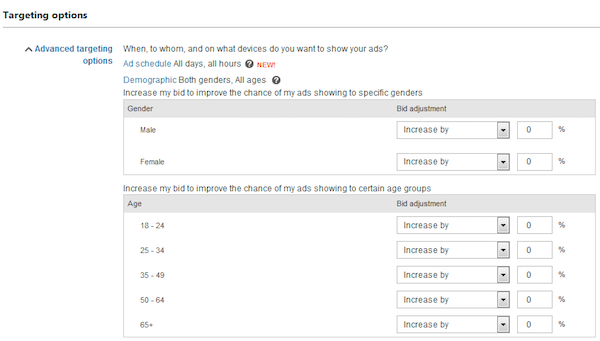
If you’re using Bing Ads (and you should be), then Bing Ads Editor is a must-have. It’s a solid all-in-one tool for managing your Bing Ads campaigns.
bing-ads-demographic-targeting

3. Optmyzr

At the U.S. Search Awards, Optmyzr won for having the “Best PPC Management Software” and for good reason. Optmyzr offers a variety of tools (optimization suggestions, data visualizations, advanced reporting, and scripts) to help you manage AdWords and Bing Ads campaigns. Plans start at $116 a month, and you can try it out for free for 14 days.

4. Free AdWords Performance Grader

Get a thorough audit of your AdWords account in 60 seconds or less with the Free AdWords Performance Grader from WordStream. Full disclaimer: I’m the CTO of WordStream. So seriously, don’t take my word on it. Here’s an actual review from Sharon H. on G2Crowd:
“WordStream makes sense out of Adwords and goes a long way to eliminate the frustration and cost. WordStream gives me important feedback on critical performance factors, and makes it easy to adjust and improve campaigns.”

5. AdEspresso

AdEspresso is a great tool for Facebook advertisers to create, optimize, and analyze campaigns. You can check it out for free with a 14-day trial; monthly pricing starts at $49.
AdEspresso

Keyword and competitor research

6. SEMrush

Need to gain insight into your competition? SEMrush is one of the best tools to find valuable, detailed keyword and domain data. It costs $58 per month if you sign up for their annual plan.

7. Spyfu

SpyFu has some really cool features other tools lack, such as the ability to download all of your competitors’ keywords. It also has a slick interface with plenty of important at-a-glance information easily available. Annual plans start at $49.
spyfu

8. iSpionage

ISpionage is easy-to-use competitive intelligence tool. It provides accurate, up-to-date competitive intelligence information and is a great way to size up competing websites and their online marketing efforts. Plans start at $59 per month.

9. Google Keyword Planner

I’d be shocked if you aren’t already using Google’s Keyword Planner. It’s an essential PPC tool for keyword research.

10. Google Trends

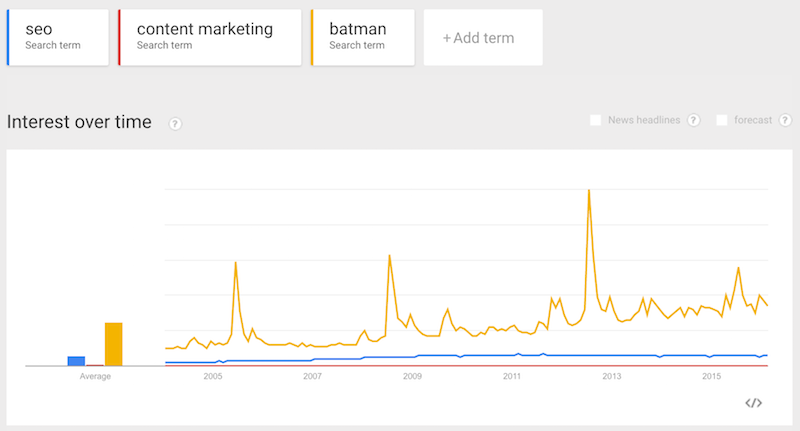
Search trend data can be incredibly valuable when adjusting campaigns to match seasonal demand.Google Trends is an essential free data source smart PPC marketers should be consulting.
Google Trends

Call tracking, analytics, and conversion rate optimization

11. Invoca

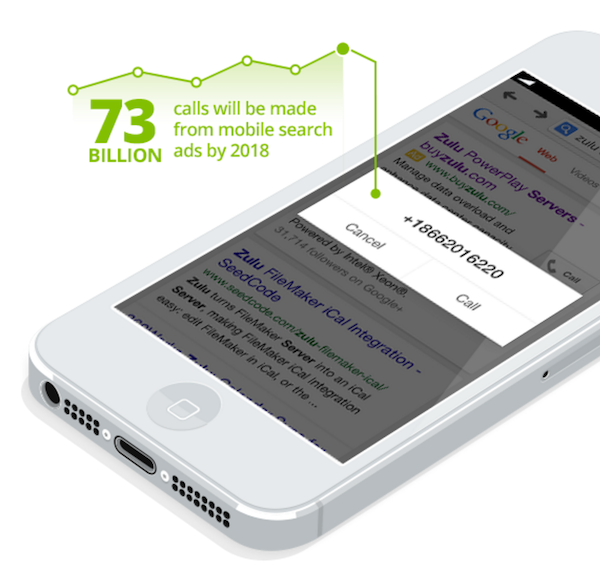
Phone calls are incredibly valuable to businesses. You need to understand who is calling and why.Invoca provides an solution to capture, manage, and track those all-important calls. It integrates with 30 platforms. Pricing starts at $1,000 per month.

12. Twilio

Twilio is a great option for call tracking and analytics. You can cheaply and easily buy phone numbers (local or toll free) and record phone calls to those numbers. Pricing is on a pay-as-you-go basis.
Call Tracking

13. Call Rail

CallRail is another option for phone call tracking, recording, and analytics. CallRail features Google Analytics and AdWords integration. Pricing starts at $30 per month, with a 14-day free trial.

14. Google Analytics

Google Analytics provides everything you need to track the effectiveness of your PPC campaigns and website performance. It’s free, but there is a Premium option for large enterprises.

15. Twitter Analytics

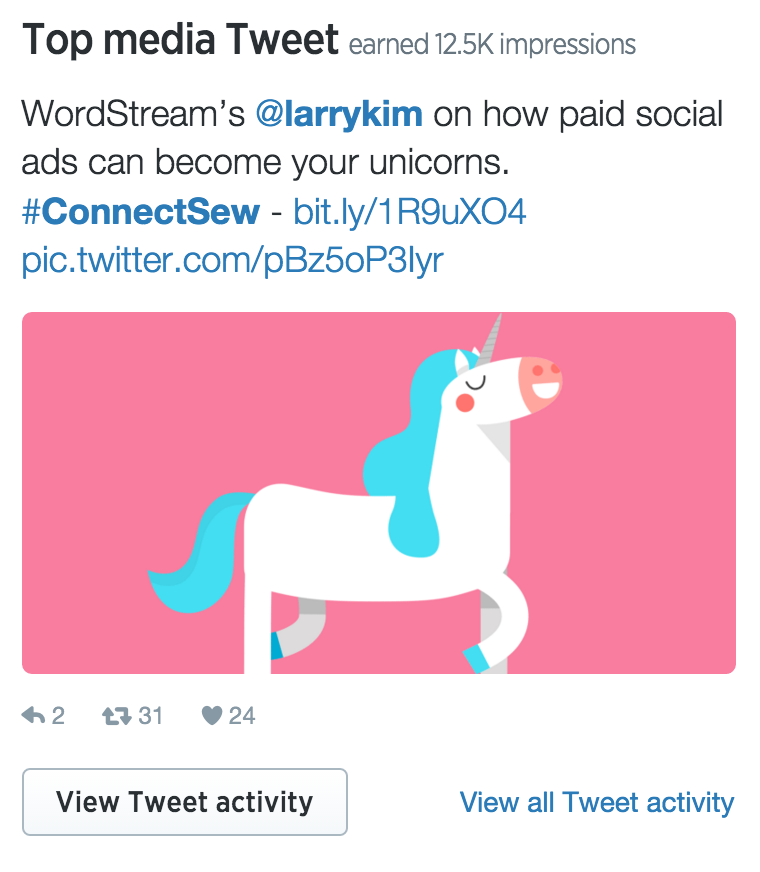
Twitter Analytics provides a wealth of data. I won’t lie, I’m a bit obsessed with Twitter Analytics data. You can discover how many people are really seeing and engaging with your tweets, whether your campaigns are effective, and all sorts of valuable demographic data about your followers.
Twitter Analytics account overview

16. Certified Knowledge

Brad Geddes has a nice suite of tools at Certified Knowledge that will help you analyze data, create tons of ads; and optimize your quality score. Prices start at $79 per month.

17. Unbounce

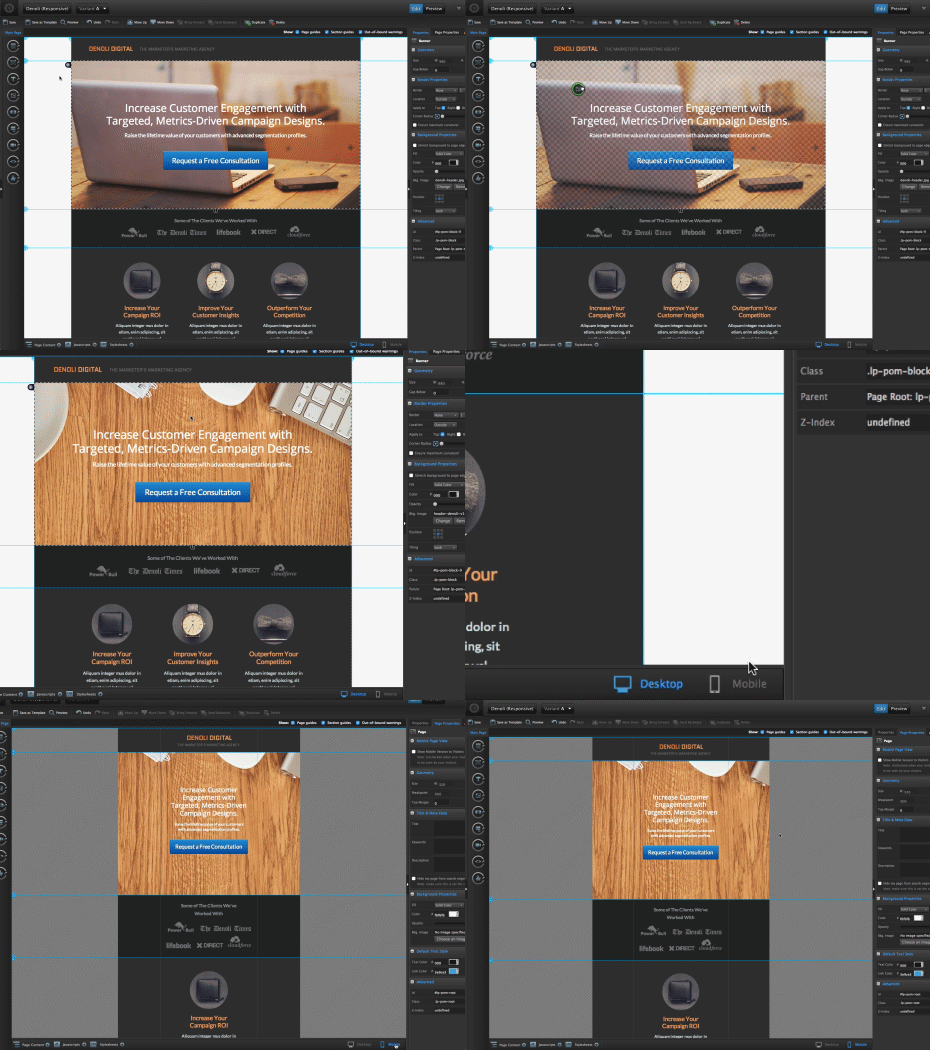
Need to build a landing page? Meet Unbounce, which offers more than 80 templates for just about every type of landing page you need (products, sales, lead generation, eBooks, etc.). Pricing starts at $49 per month, but you can sign up for a free trial.
unbounce

18. LeadPages

LeadPages offers a simple landing page builder, as well as dozens of landing page and minisite templates to choose from. Yearly packages start at $25.

PPC ad copy inspiration

19. BuzzSumo

BuzzSumo is all kinds of awesome. It shows you the most shared content. Catchy article headlines (the type that get tons of shares and links) will also make catchy PPC ad headlines! BuzzSumo plans start at $99 per month.

20. Ubersuggest

You can get some good keyword ideas from Ubersuggest. This popular free keyword tool offers thousands of suggestions based on the keywords you type in.

Display ad image inspiration and creation

21. Share as Image

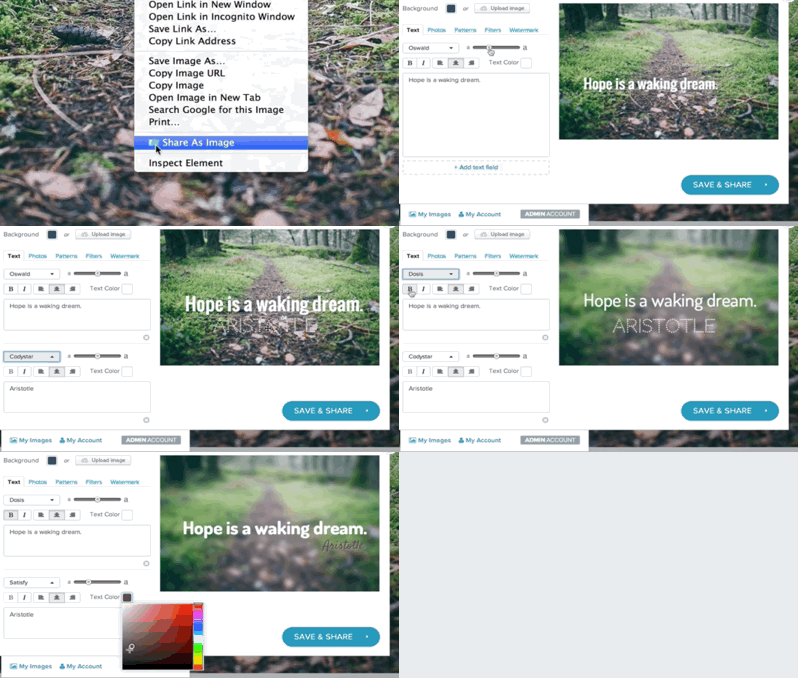
Share as Image is mainly touted as a tool for content marketers, but you can also use it to quickly create awesome display ads. Just be sure to check image copyrights before taking your ad live! Share as Image offers a free account, as well as a monthly plan starting at $8.
share as an image

22. Canva

Canva is another tool that you can use to easily create striking display ads with their drag-and-drop interface. Upload your own assets to work with (for free), or pay a small fee to use images from their library.

23. Pinterest

Need some inspiration for display ad images? Spend some time browsing on Pinterest. It’s a fantastic tool for saving, organizing, and discovering amazing visuals to get your creative juices flowing.

24. Facebook Text Overlay Tool

Facebook has a frustrating rule that your ad (images and video thumbnails) can’t contain more than 20 percent text. To make sure you’re compliant so your ads can run on Facebook (and Instagram), use the Facebook Text Overlay Tool. If your text spills into 6 or more boxes of their grid, you’ll have to edit your ad and check it again until you get it right.

25. gifntext

Gifntext is so baller – and non-obvious. You can use it to create amazing GIFs for use in social and display ads! I almost hate to give this one away because I love that nobody is using it. So seriously, don’t use it. :)
doge

PPC Automation

26. AdWords Scripts

Love AdWords Scripts? Who doesn’t? Scripts let you automate nightmarishly time-consuming tasks. Daniel Gilbert and Brainlabs have an insanely awesome collection of AdWords scripts – everything from advanced A/B testing, to close variant matching, to competitor tracking. Amazing stuff here!

Apps

27. Google AdWords App

If you ever need to do some AdWords campaign management in a taxi/Uber/whatever, you’re in luck. This beautiful and fast app for Android and iOS lets you adjust keyword bids, enable/disable AdWords objects (e.g., campaigns, ads, ad groups), and act on various recommendations from AdWords. You can’t create new text ads or campaigns or add keywords manually, however.

28. Facebook Ads Manager App

The Facebook Ads Manager App (for iOS and Android) lets you manage your campaigns. You can track the performance of your ads, edit ads, adjust your budgets, and even create new ads – all from your mobile device.

29. Google Analytics App

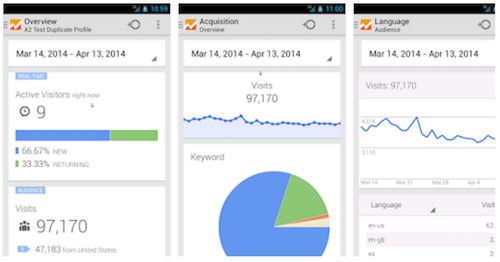
The Google Analytics is a bit limited – and by a “bit” I mean a “lot”. But if you’re on the go and need to quickly check on your stats or reports, this app will let you do just that.
Google Analytics app

What’s your favorite tool?

What PPC tools from this list do you use and love? Any tools I missed? Share your recommendations in the comments.

To view the original article Click Here